Hungary makes public the names of 60,000 communist-era secret police informers
Thirty-seven years after communism fell, anyone can now search the names.
01What happened
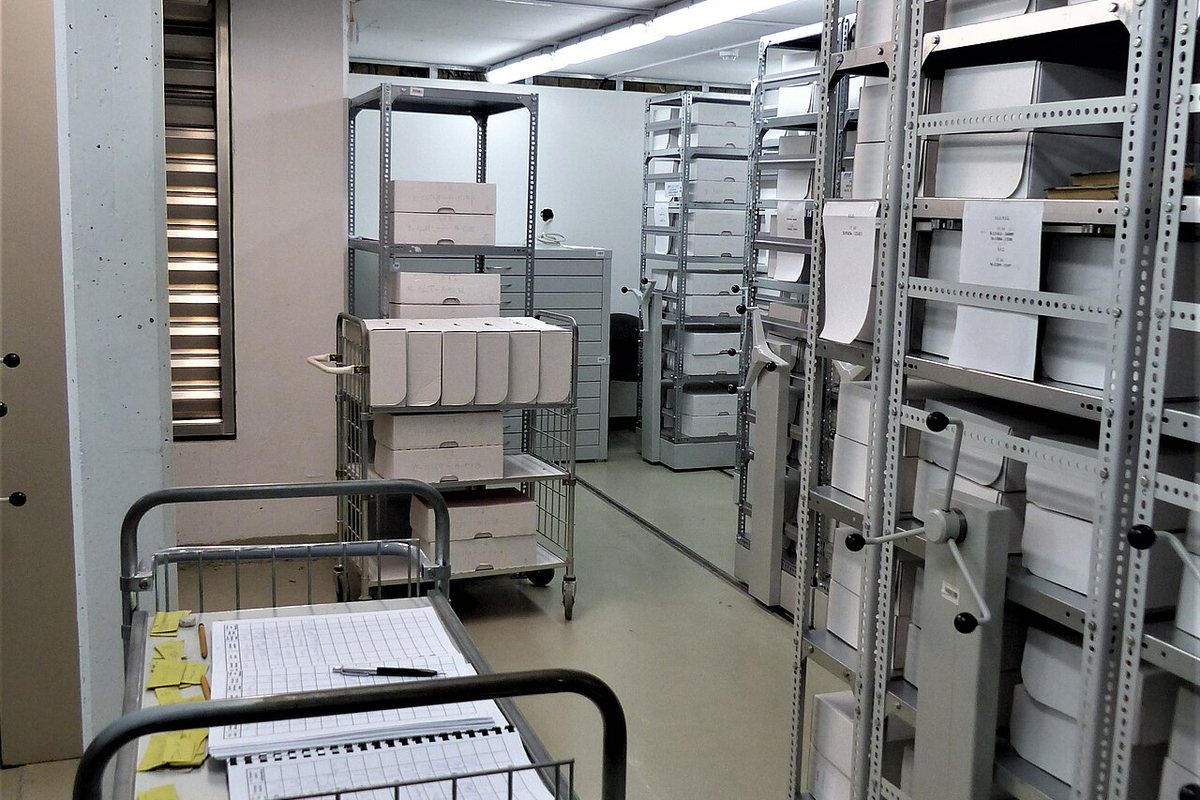
On November 4, Hungary put its communist-era secret police files into an online database. Anyone can now look up about 60,000 names of informers and agents.
Until now, only researchers, the people named in the files, and their close relatives could ask to see them. Recruitment files on about 9,000 people will follow by February.
02What can people see?
A new law made four types of pre-1990 state security records open to everyone. Three of them went online at nyitottaktak.hu, a site built by the Historical Archives of the Hungarian State Security (ÁBTL).
The first is a registration card kept for each informer. It lists personal details such as name, birthplace, birth date and mother's name, along with what the person did, how and why they were recruited, and how long they stayed in the network. The second is a recruitment register. The third is a database of former agents' personal details and code names.
People can search by name, birthplace, birth date or code name. Politicians, priests and TV figures appear on the list.
03Who were the informers?
Before communism fell in 1989, secret police across Eastern Europe recruited ordinary citizens as helpers, often through threats or rewards.
These informers reported on friends, neighbors, coworkers, and sometimes family.
04Why now?
After the change of system, one government after another put off fully opening the files. Many say the political will was missing.
In 2002, weeks after taking office, Prime Minister Péter Medgyessy was caught in a scandal over his past as a communist-era secret agent. A 2003 law let people who had been watched learn who had reported on them, but the files stayed closed to the public.
Prime Minister Peter Magyar, who won the April election, promised to open them. He said Hungary is finally keeping, after 36 years, a promise made at the end of communism.
05Other countries
Most former communist countries opened their files earlier. Files of East Germany's secret police, the Stasi, became open in 1992, soon after German reunification. The Czech Republic opened its files in 2003 and Latvia in 2018.
06What remains unclear
The files are far from complete. Many were lost during the 1956 uprising against Soviet rule and as the regime fell in 1988 and 1989. The archive says it is publishing everything it holds, but the records were never complete.
Appearing on the list does not prove that someone chose to cooperate. Historians urge people not to judge anyone by a name alone. The archive also says the records are not always accurate. Sensitive details such as health, addiction and sex life are blacked out.
Magyar asked people to treat the files "with dignity and humanity," saying many families will face hard facts about relatives who have died.
07What it could mean
Many families may now face the past of parents or neighbors who have died. Debate is likely to continue between those who say wounds cannot heal while the past stays hidden and those who fear people forced by threats will be branded for life.
When the recruitment files come out by February, it will become clearer how people were recruited. Checks on the past of officials and public figures may also begin in earnest.