Charging Koreans more than buyers abroad could bring penalties under a new competition rule
Dominant firms that charge more in Korea without good reason could be found to be abusing their power.
01What happened
On November 6, Korea's Fair Trade Commission announced a draft change to the rules under its competition law. It changes how the agency judges abuse by companies that dominate a market. This is the first change to that standard since 2001.
The draft is open for comments until December 16. After review by other ministries and the government's legislation office, the commission plans to finish the change in the first half of 2027.
02Why now
The law already bans dominant firms from unfairly setting, keeping or changing prices. But the detailed rules only covered price changes.
That made it hard to act when a firm set Korean prices higher than abroad from the start, or kept prices high after costs fell. Even for price rises, the agency had to prove they were "markedly" larger than changes in supply, demand or cost. The commission says that bar was so hard to meet that the rule was barely used.
03What changes for prices
The draft lets the agency judge how prices are set and kept, not only how they change. It also lowers the bar from "markedly" to "substantially."
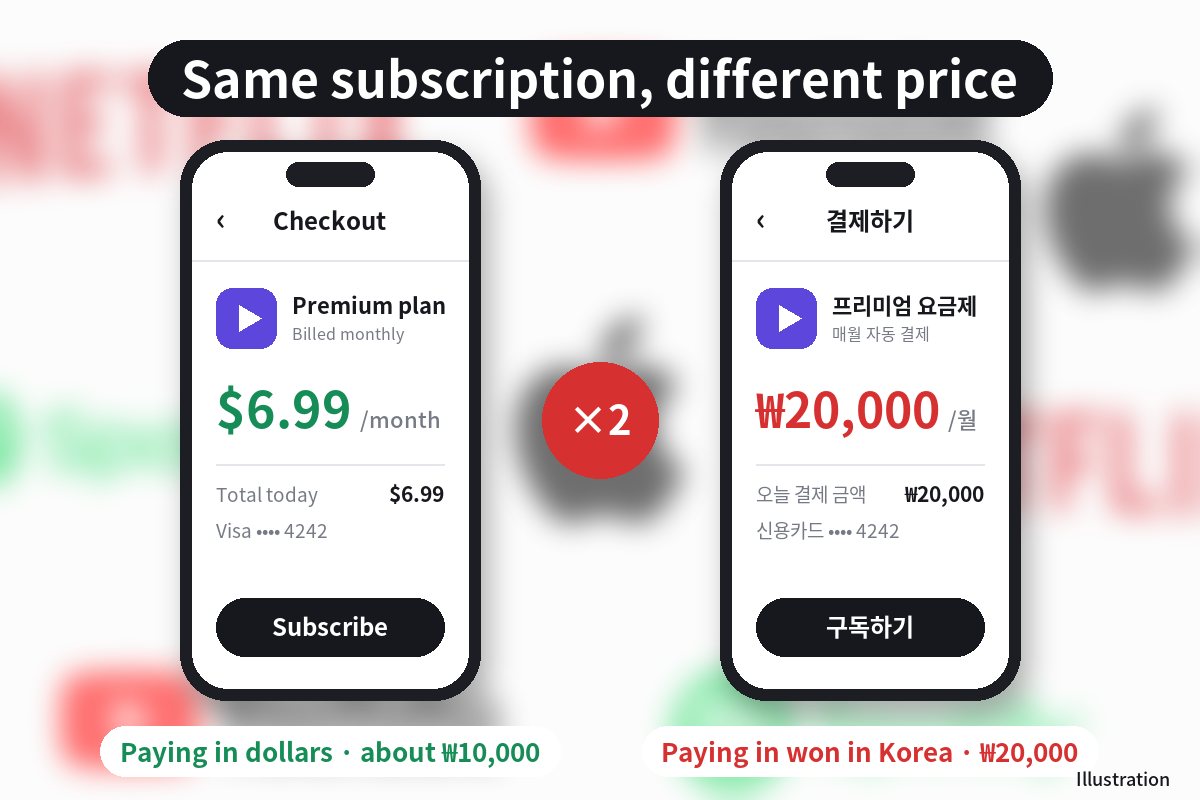
Whether a price is unfair depends on two checks: is it substantially above cost, and is it also substantially above the usual price of the same or similar product in other markets? If both are true and there is no good reason, it could count as abuse. The commission named unfairly charging more in Korea than abroad as a leading example.
Keeping prices high is covered too: raising prices quickly when costs rise, but not lowering them when costs fall.
04Beyond prices
Tying becomes its own type of abuse: forcing buyers of one product to also deal with the firm, or a firm it picks, for another product or service.
Using a partner's private business information, gained through deals, to compete against that partner is added. So is blocking partners from dealing with consumers directly or sharing information with them.
Rules on blocking rivals also widen. They used to focus on manufacturing, such as cutting off raw materials. Now they cover blocking access to any goods or services a business needs, so they can apply to digital services as well.
The draft also spells out what harming consumers means: unreasonable terms, cutting quality in ways that clearly hurt consumers, unfairly limiting choice, and imposing serious disadvantages.
05Are penalties automatic?
No. The commission must first decide whether a company dominates its market, looking at market share, how hard it is for new firms to enter, and the size of competitors.
Then it checks whether there is a good reason for the higher price in Korea.
06What it could mean
Consumers would gain grounds to challenge subscription fees and service prices that are higher than abroad. Dominant firms would need data to explain why Korean prices differ.
There is no set number yet for what "substantially" means. The real impact depends on how it is read and whether a first case is brought. The wording could become more specific during the comment period. The first test will be which case the commission takes up after the change is finished in 2027.